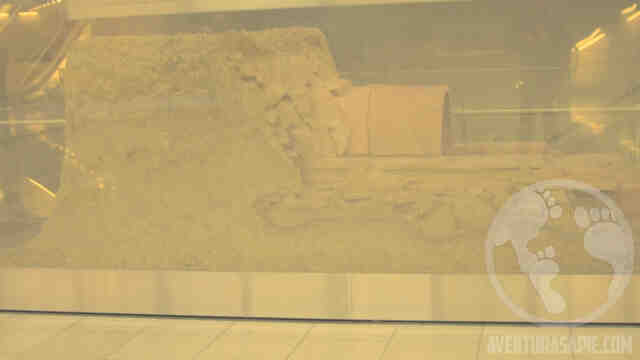
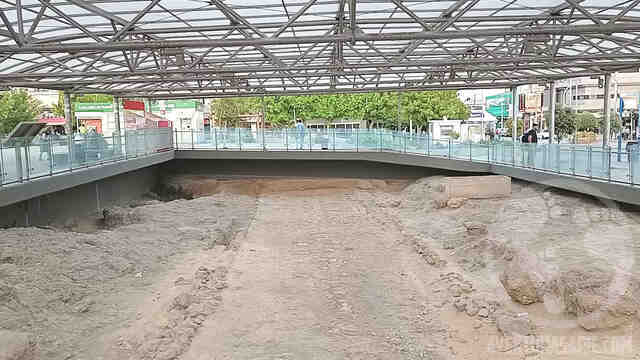
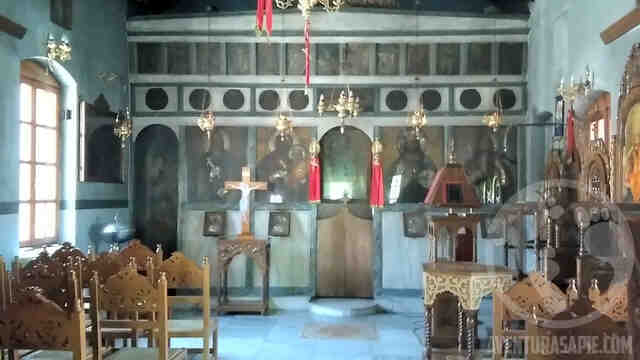
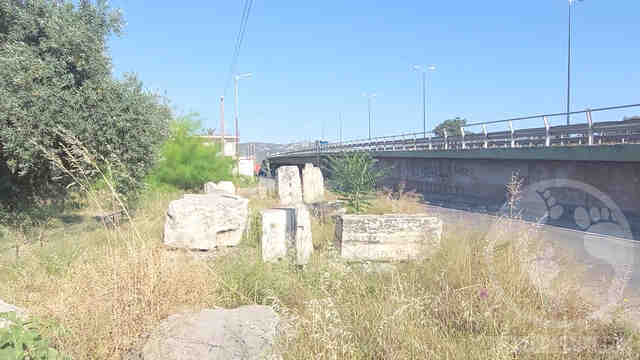
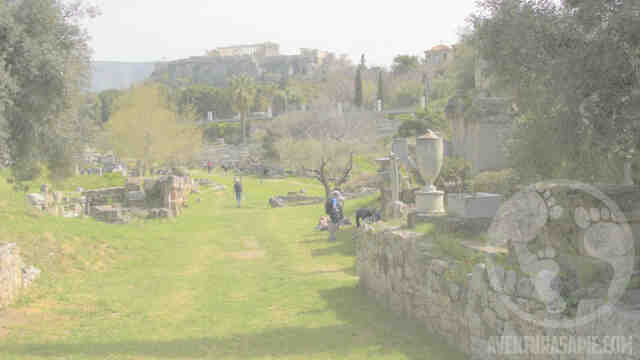
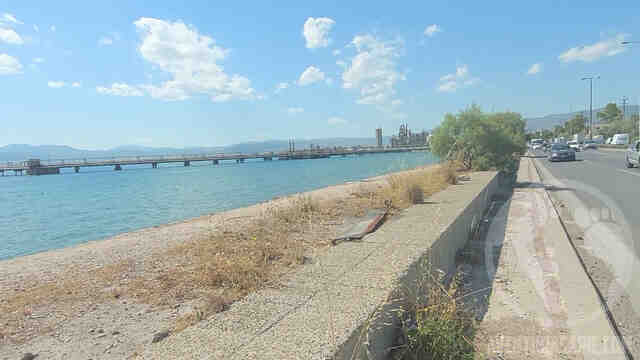
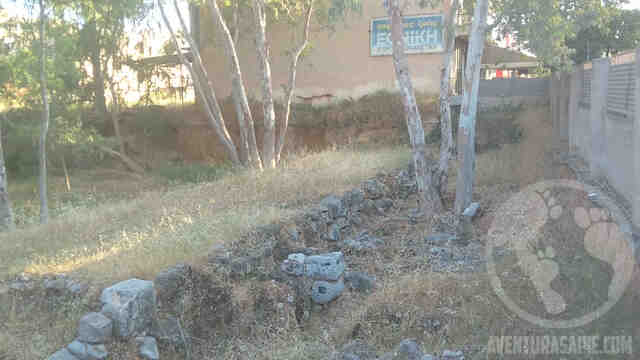
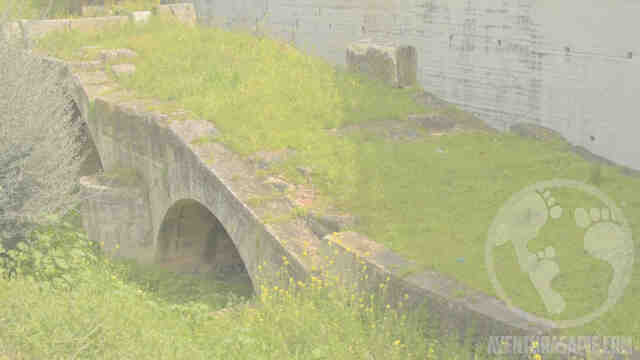
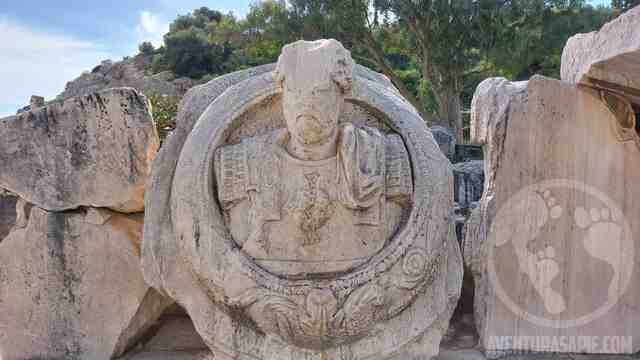
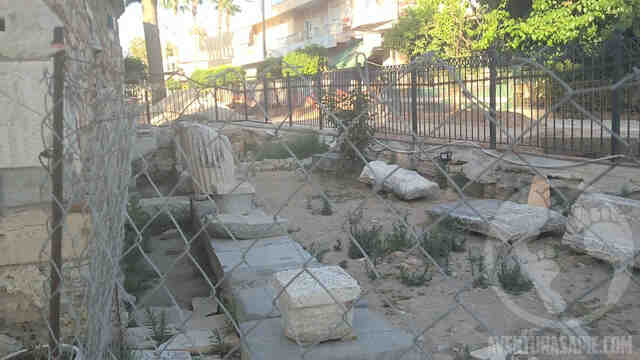
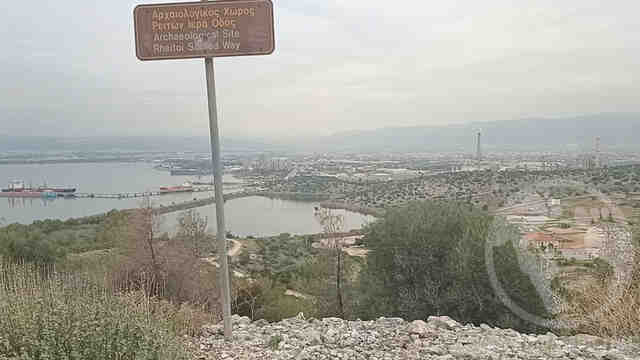
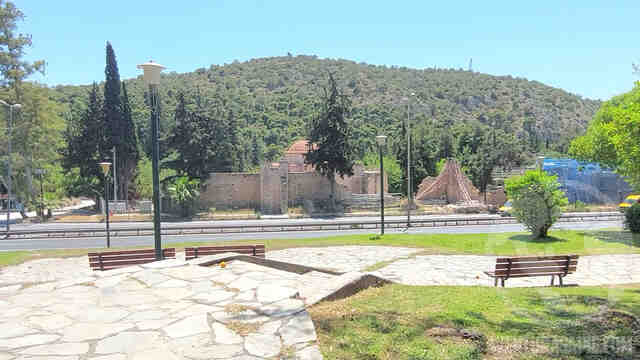
We walk the first day of the potential Way of Saint Andrew, walking the 25kms between Athens and Eleusis, following the Sacred Way, the ancient pagan pilgrimage in honor of Demeter and Persephone.
During the walk we visited all the historical heritage of the route.
If you want to help us face the costs of the experience, we have an account on ko-fi, where we accept donations: ko-fi.com/aventurasapie
In this video, we do a preliminary analysis of a potential long-distance hiking similar to the Camino de Santiago, from Athens, to visit the remains of the Apostle Saint Andrew in Patras, Greece.
The analysis includes the description of the route, the tracing of the route, populations and services, accommodations, water and public fountains, beaches, stages, monuments, nature and landscapes and following steps.
If you have questions and doubts, as well as suggestions, you can leave them in the comments. We will try to resolve all issues in a future video at the end of the experience.
If you want to help us face the costs of the experience, we have an account on ko-fi, where we accept donations: ko-fi.com/aventurasapie
In this video, we present our Athens audio guides so you can explore the city at your own pace, visiting lesser-known spots and discovering hidden gems.
We currently have only four audio guides available, but we’ll be adding more in the coming weeks.
Audio guides on Ko-fi: ko-fi.com/aventurasapie/
Acropolis Base Audio Guide (free): https://ko-fi.com/s/01544a1daf
To access our audio guides on your mobile device, you’ll need an offline map app.
We recommend OrganicMaps because it’s free, lightweight, fast, and open source.
It can be downloaded from the most popular app stores: Google Play Store (https://play.google.com/store/apps/details?id=app.organicmaps&hl=en)
Apple App Store (https://apps.apple.com/us/app/organic-maps-offline-map/id1567437057)
The Sacred Way was an ancient pilgrimage route between the cities of Athens and Eleusis to celebrate the Eleusinian Mysteries.
The Eleusinian Mysteries were initiation rites for the cult of the goddesses Demeter and Persephone, celebrated twice a year: the major celebration at the beginning of autumn and a minor celebration at the beginning of spring.
They are based on the myth of Persephone’s abduction by Pluto, who took her to live in the underworld, and the quest of her mother, Demeter, to rescue her.
It is believed that this pilgrimage was first undertaken during the Mycenaean period (1600-1100 BCE), although the worship of Demeter and the mysteries were officially established in Eleusis in the 8th century BCE.
The mysteries continued to be celebrated until the prohibition of pagan myths in the 4th century CE with the imposition of Christianity.
In this audio guide, we’ll visit all the relevant sites that remain to this day, as well as share some interesting but not essential details.
The route is approximately 25 km long and includes more than 30 points of interest. We estimate it can be completed in about 10 hours.
Do the tour from Wednesday to Sunday if you want to visit the Daphni Monastery.
Split it into two for easier planning: Keramikos-Agia Marina + Agia Marina-Eleusis or Keramikos-Dafni + Daphni-Eleusis
Additional Information:
Keramikos Archaeological Site: (August 2025: Closed for renovations)
Dafni Monastery: Wednesday to Sunday, 8:30-15:30, Free Admission
Sanctuary of Aphrodite: Monday to Sunday, 8:30-15:30, Free Admission
Eleusis Archaeological Site: High Season: Monday to Sunday 8:00-20:00, admission €10 – Low Season: Wednesday to Monday 8:30-15:30, admission €5
To use this audio guide, you need an offline map app. We recommend OrganicMaps because it’s lightweight, fast, open source (it doesn’t spy on you), and supports large files. For more information, please visit our FAQ section for maps and audio guides.
If you’d like to try this audio guide system before purchasing, we offer a free audio guide of a walking tour around the base of the Acropolis.
Athens is a city with over 3,000 years of history, having been inhabited by the Mycenaeans, the ancient Greeks, the Romans, the Byzantines, the Ottomans, and countless other temporary invaders.
The remains of these early inhabitants, like so many other historic cities, lie underground, covered by modern buildings.
What almost no one knows is that many of these remains can be seen, if you know exactly where to look.
In this audio guide, we’ll travel back in time to Ancient Athens and explore its ruins in a very unusual way, using the blue metro line, stopping at 9 stations, and visiting at least 14 points of interest.
This audio guide lasts between 60 and 120 minutes, including travel time between stations.
Athens is a city with over 3,000 years of history, having been inhabited by the Mycenaeans, the ancient Greeks, the Romans, the Byzantines, the Ottomans, and countless other temporary invaders.
The remains of these early inhabitants, like so many other historic cities, lie underground, covered by modern buildings.
What almost no one knows is that many of these remains can be seen, if you know exactly where to look.
In this audio guide, we’ll travel back in time to Ancient Athens and explore its ruins in a very unusual way, using the red metro line, stopping at four stations, and visiting at least ten points of interest.
This audio guide lasts between 60 and 120 minutes, including travel time between stations.
Athens is a city with over 3,000 years of history, having been inhabited by the Mycenaeans, the ancient Greeks, the Romans, the Byzantines, and the Ottomans, as well as countless temporary invaders.
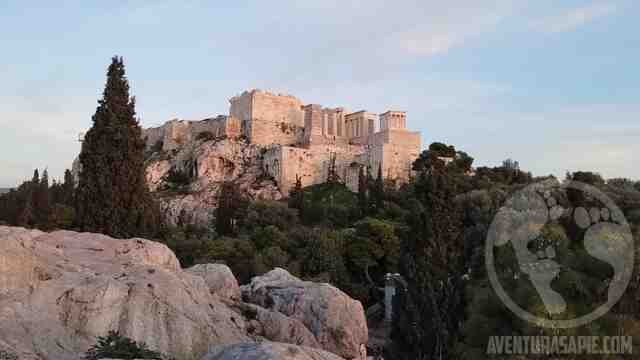
And the Acropolis hill has been its center from the very beginning.
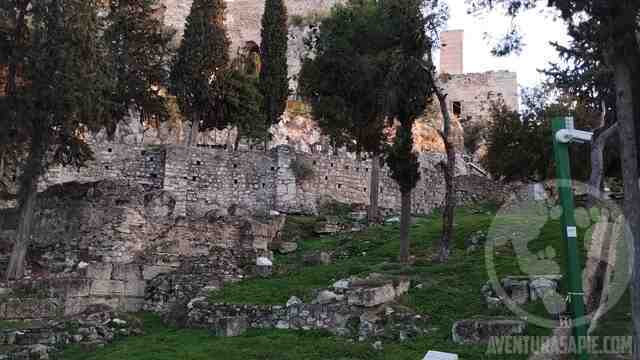
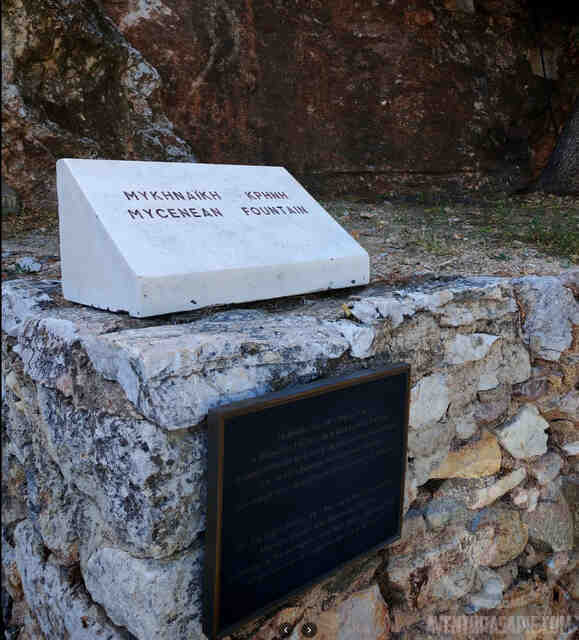
In this audio guide, we’ll take a walk around the foot of the Acropolis and explain why this hill has been crucial throughout history, visiting 10 points of interest. We’ll also share some other interesting and less important details.
This audio guide lasts between 30 and 60 minutes, including the time spent walking around the hill.
To open this audio guide, you’ll need an offline map app. We recommend OrganicMaps because it’s lightweight, fast, open source (it doesn’t spy on you), and supports large files.
In this video, we explain why there is no Camino de Santiago in Greece and we explore some alternatives to the experience: Iera Odos or Sacred Way, Camino de la Tregua, Via Egnatia, Agios Oros or Mount Athos, and religious tourist packages.